
Doug Files the Petition: What Starts the Clock
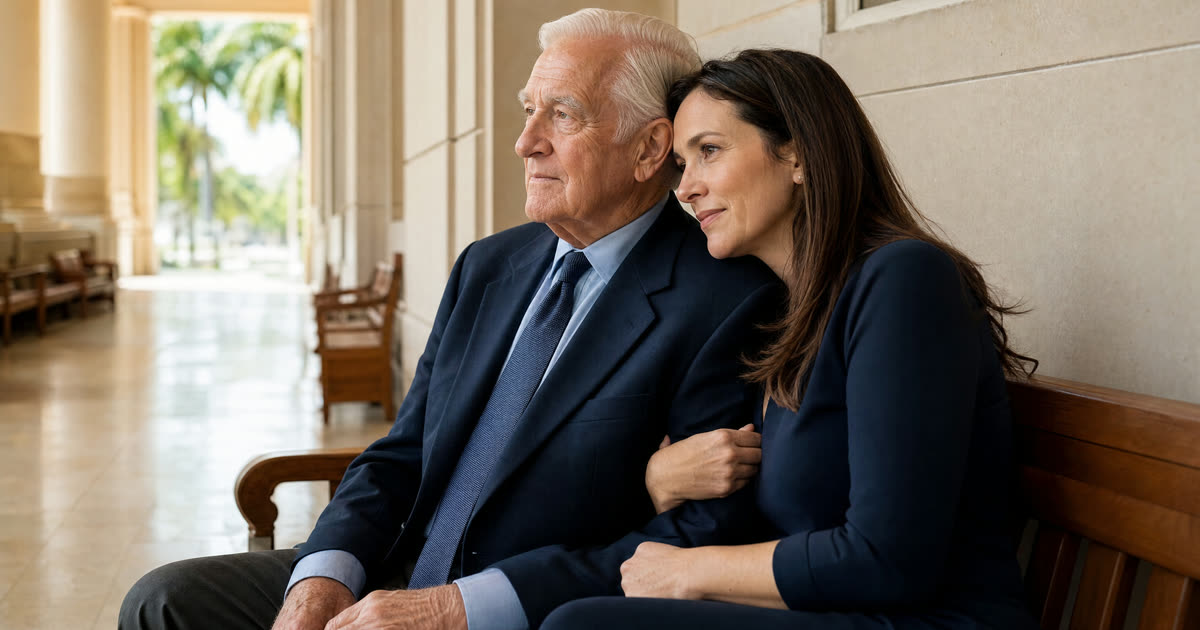
Marjorie is 84 and lives alone in Ormond Beach. Her son Doug filed a guardianship case after she wired money to a phone scammer twice in the same month, the second time despite her bank calling to warn her. Marjorie is a composite for this article, not an actual Truestead client, but her situation reflects what I see regularly in this practice area.
Florida guardianship is a court process under Chapter 744, Florida Statutes, that appoints someone to make decisions for a person a judge finds incapacitated, and it is meant to be used only when less restrictive tools will not work. In Marjorie's case, Doug's attorney files two things at once: a Petition to Determine Incapacity and a separate Petition for Appointment of Guardian. These are technically two different proceedings that move on parallel tracks, because Florida law requires the court to first decide whether Marjorie is incapacitated at all before it decides who should serve as her guardian.
The filing opens a mental health case number, separate from any other family or probate matter. From this point forward, everything is designed to protect Marjorie's rights, not just to resolve Doug's concerns.
Have this exact situation? Talk it through with a Florida attorney — the 20-minute consultation is free.
Book Free Consult or call (888) 388-8445Marjorie Gets Her Own Lawyer
Within about five days of the petition being filed, the court appoints an attorney to represent Marjorie herself, called an attorney ad litem. This is not Doug's attorney and does not answer to Doug. This lawyer's only job is to advocate for what Marjorie wants and to make sure her rights are protected throughout both the incapacity case and the guardianship case.
Marjorie has the right to attend the hearing, testify, present her own witnesses, cross-examine the examining committee members, and even hire her own attorney of choice instead of the court-appointed one. Her court-appointed lawyer visits her, explains the process, and will tell the judge directly if Marjorie objects to guardianship or wants a more limited outcome than Doug is requesting.
The Examining Committee: Three Professionals, Three Reports
Around the same time counsel is appointed, the court appoints a three-member examining committee to evaluate Marjorie. By law, at least one member must be a psychiatrist or other physician, and the remaining two are drawn from a list that can include a psychologist, gerontologist, another physician, an advanced practice registered nurse, a registered nurse, or a licensed social worker. At least one member must have specific knowledge of the type of incapacity alleged, which in Marjorie's case might mean cognitive decline or vulnerability to undue influence and financial exploitation.
Each committee member examines Marjorie separately and evaluates her: her ability to manage her finances, understand contracts, make health care decisions, and handle daily living. Each member then files an independent written report with the court, generally within about fifteen days of being appointed. The reports address whether Marjorie is incapacitated, and if so, in what specific areas, and whether a limited guardian could handle just those areas rather than a full guardian handling everything.
If a majority of the committee finds Marjorie is not incapacitated in any respect, the judge is required to dismiss the petition. That safeguard exists precisely so families cannot use guardianship as a shortcut when someone is simply making choices others disagree with.
Before the Hearing: Could Something Less Restrictive Work?
Florida law requires the judge to specifically consider whether alternatives to guardianship would adequately address the problem before appointing anyone. These alternatives include a durable power of attorney, a health care surrogate designation, a revocable trust with a successor trustee, a pre-need guardian designation, or a supported decision-making arrangement.
In Marjorie's case, this question mattered a great deal. She had signed a durable power of attorney years earlier naming Doug as her agent, but the bank had already flagged that Marjorie herself kept overriding Doug's attempts to intervene and was giving the scammer her account information directly. Her attorney ad litem and the examining committee both had to address, in the record, whether the existing power of attorney could still function given Marjorie's apparent vulnerability, or whether it was no longer sufficient protection.
The Hearing, the Order, and the Letters of Guardianship
The adjudicatory hearing must generally be held no more than thirty days after the last examining committee report is filed, though it can be shorter if all parties agree and good cause exists to move faster. At the hearing, Doug's attorney, as petitioner, must prove incapacity by clear and convincing evidence, a higher standard than the “more likely than not” standard used in most civil disputes. This is intentional. Removing someone's legal rights is serious, and Florida law does not make it easy.
The judge hears testimony, reviews the three committee reports, listens to Marjorie's attorney, and may hear from Marjorie herself. The court must then decide exactly which rights, if any, Marjorie can no longer exercise safely, such as the right to contract, manage property, or make certain health decisions, and whether those rights should be removed entirely (a plenary guardianship) or only in specific, limited areas (a limited guardianship), leaving Marjorie free to continue exercising every other right herself.
If the judge finds guardianship is necessary and no lesser alternative will work, the court signs an order determining incapacity and, separately, letters of guardianship naming the guardian and spelling out exactly what authority that person has. Only then can the guardian legally act, whether over Marjorie's person, her property, or both.
From filing to final order, this whole sequence commonly takes a couple of months, sometimes longer if reports are delayed, if family members disagree, or if Marjorie's attorney contests the scope of what is being requested.
Who Can Actually Serve as Marjorie's Guardian
If the judge appoints Doug, he will need to complete a court-approved guardian training course before receiving full authority, because family (non-professional) guardians in Florida are required to complete this training. He will also have to file an initial guardianship plan and inventory of Marjorie's assets shortly after appointment, and then annual reports to the court for as long as the guardianship continues, so the judge maintains ongoing oversight.
Had Doug lived out of state, Florida law would still allow him to serve, but only because he is Marjorie's son and therefore related to her within the degree the statute permits for nonresident guardians; a nonresident with no qualifying family relationship generally cannot serve. Families who cannot serve, or prefer not to, sometimes turn to a professional guardian instead, and those individuals must be registered with Florida's Office of Public and Professional Guardians and meet separate certification and bonding requirements.
Frequently Asked Questions
The Truestead Takeaway
What happened for Marjorie, or would happen in a case like hers, comes down to the safeguards built into Chapter 744: her own lawyer, an independent three-member examining committee, a high burden of proof, and a judge who must consider whether something less restrictive than guardianship could work before removing any of her rights. If your family is facing a similar decision about a parent, spouse, or adult child, the right first step is usually a conversation with a Florida attorney about whether existing documents, like a power of attorney or health care surrogate designation, are still doing their job, or whether the court process described here is genuinely necessary. This article is educational information about Florida law, not legal advice for your specific situation.
Sources
- The Florida Bar, "What is Guardianship?" Consumer Pamphlet, January 5, 2026
- Florida Senate, Chapter 744, Section 331, Florida Statutes (2024)
- Eleventh Judicial Circuit of Florida, "Guardian" resource page
Have a child turning 18? Get the free 18 & Protected packet — the legal documents every Florida 18-year-old needs.
Get the Free PacketTalk to a Florida Attorney
Every family’s situation is different. Schedule a consultation with Arthur Simpson, Esq. to review your plan and your options under Florida law.
Schedule a Consultation →This article is for general informational purposes only and does not constitute legal advice, nor does reading it create an attorney-client relationship. Florida estate, elder, probate, and real estate law are fact-specific and change over time. Consult a licensed Florida attorney about your individual circumstances. Arthur Simpson, Esq. is licensed to practice law in the State of Florida. Attorney advertising.
Talk to a Florida Attorney — Free 20-Minute Consultation
Pick a time below. No obligation, no pressure — just answers.