
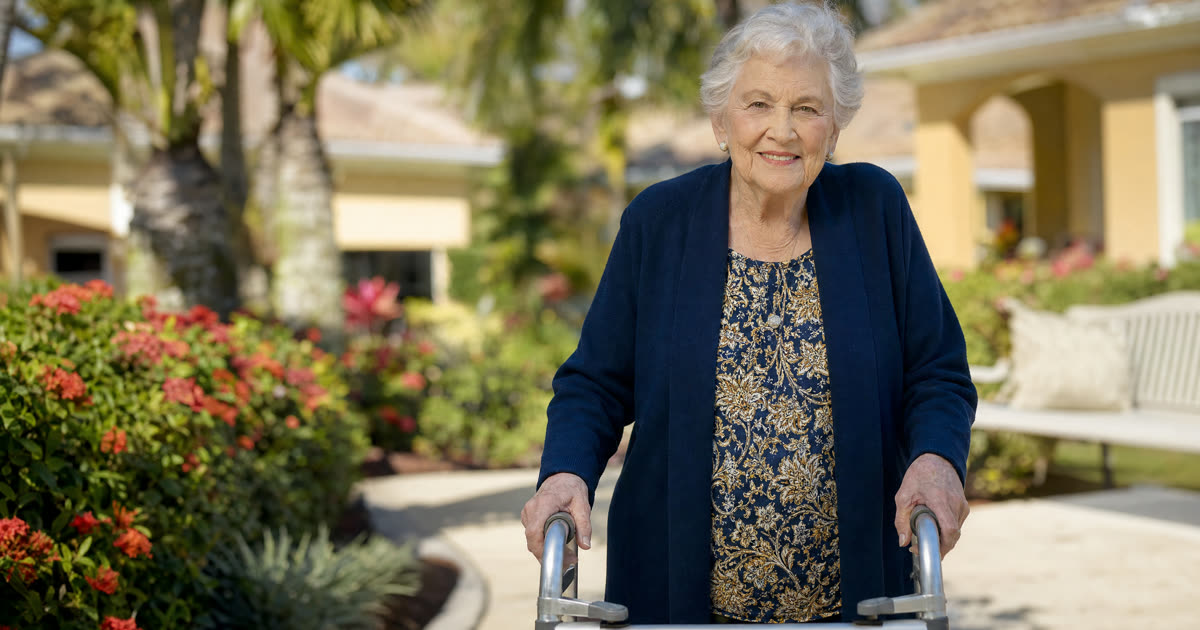
Rita's situation: capacity in one area, not all areas
Rita is a composite client, not an actual person I've represented, but her story reflects a pattern I see often in my Boca Raton practice. At 72, Rita suffered a stroke that left her vulnerable to poor financial decisions. She has, more than once, agreed to send money to a stranger who called claiming to be a grandson in trouble. But Rita still knows exactly where she wants to live (her own condo, near her church and her bridge group), and she has no trouble deciding which family members she wants involved in her life.
When Rita's son petitioned the court to determine her incapacity, the question the judge had to answer was not simply "does Rita need a guardian?" It was "in which specific areas does Rita lack capacity, and what is the least restrictive way to protect her there?" That distinction, between removing everything and removing only what's necessary, is the heart of Chapter 744.
Have this exact situation? Talk it through with a Florida attorney — the 20-minute consultation is free.
Book Free Consult or call (888) 388-8445How a Florida guardianship case actually reaches that answer
Once a petition to determine incapacity is filed, the court appoints a three-member examining committee, typically including a physician and other qualified professionals, to evaluate the alleged incapacitated person. Rita has the right to her own attorney and a right to a hearing before any rights are removed. The committee doesn't just render a yes-or-no verdict on "incapacity." Its report addresses specific functional abilities: Can she manage her finances? Can she consent to medical treatment? Can she decide where to live?
The judge weighs that report alongside testimony and must consider less restrictive alternatives before appointing any guardian at all, things like a durable power of attorney, a health care surrogate designation, a revocable trust, or a pre-need guardian designation Rita may have signed years earlier. Only when those tools are absent, revoked, or no longer adequate does the court move to guardianship, and even then the law directs the judge toward the least restrictive form that still protects the person.
Rights a Florida court can remove, but never hand to the guardian
Some rights are treated so carefully that even if a court removes them from the ward, it cannot simply transfer them to the guardian to exercise instead. These include:
- The right to vote
- The right to marry (though a marriage may sometimes proceed with court approval if only the right to contract was removed)
- The right to personally apply for government benefits
- The right to hold a driver's license
- The right to travel
- The right to seek or retain employment
If the court found Rita incapacitated as to any of these, the right would simply be removed and would not be exercised by anyone on her behalf in the same way. In Rita's case, her judgment problems were tied to financial exploitation, not to her ability to drive, work, or vote, so the committee's findings did not point toward removing these rights at all.
Rights a Florida court can remove and delegate to a guardian
A separate category of rights can be removed from the ward and specifically delegated to a guardian to exercise on the ward's behalf. These include:
- The right to enter into contracts
- The right to sue or defend lawsuits
- The right to apply for government benefits (through the guardian, distinct from the ward's personal right above)
- The right to manage property or make gifts and dispositions of property
- The right to determine one's own residence
- The right to consent to medical treatment
Under Section 744.361, Florida Statutes, a guardian is a fiduciary who may exercise only the rights that have been removed from the ward and specifically delegated in the court's order, nothing broader. For Rita, the examining committee's report pointed squarely at one area: she could not reliably manage money or resist financial manipulation. It said nothing about her ability to choose where to live or to make her own social and medical decisions.
Plenary guardianship: the outcome the court did not choose for Rita
A plenary guardianship removes essentially all delegable legal rights and places full decision-making authority, over both person and property, with the guardian. It is reserved for cases where the evidence shows the person lacks capacity across the board, not just in one or two areas. Florida law is explicit that guardianship, and especially plenary guardianship, is a last resort, and the order must reserve to the incapacitated person the right to make decisions in every matter she remains capable of handling.
Had Rita's stroke also left her unable to recognize danger, unable to consent to medical care, or unable to understand where she lived, the committee's findings and the judge's order might have looked very different, and a plenary guardianship of the person and property might have followed. That was never the record in her case. The order matched the finding: limited to property, nothing more.
Modifying the order or restoring Rita's rights later
A limited guardianship is not necessarily permanent in its scope. If Rita's condition changes, either improving or declining, the guardianship can be revisited. Florida law allows a ward, the guardian, or an interested party to petition the court to modify the guardian's powers, expand or narrow which rights are delegated, or seek restoration of rights entirely if the ward regains capacity. The court can also address who serves as guardian: family members typically complete a court-approved training course before serving, professional guardians must register with the Office of Public and Professional Guardians, and a guardian who does not live in Florida generally may only serve if related to Rita within the degrees the statute allows.
Guardians, family or professional, must also file an initial guardianship plan and inventory of the ward's property, then annual reports to the court accounting for decisions made and assets managed. That ongoing court oversight is part of why Florida law is comfortable allowing guardians to exercise real authority in a limited sphere: the court keeps watching.
Frequently Asked Questions
The Truestead Takeaway
Rita's case shows why Chapter 744 is built around precision, not blanket outcomes. Florida law does not ask a judge to choose between leaving someone fully in charge or stripping away every right; it asks the judge to match the order to the evidence, area by area. For families watching a parent or spouse struggle in one specific way, whether that's money, medical decisions, or daily living, the sensible next step is the same one I'd recommend to my own family: have the person's current capacity and existing planning documents reviewed by a Florida elder law attorney before assuming a full guardianship is the only path, and if guardianship does become necessary, make sure the petition and proposed order ask for no more authority than the facts actually support.
Sources
- Florida Senate, Florida Statutes Chapter 744 (Guardianship)
- Florida Statutes Section 744.361 (Guardian; powers and duties)
- Eighteenth Judicial Circuit, Florida Guardianship Law and Information
- Elder Needs Law, Florida Guardianship Code Plain Language Guide, 2026
Have a child turning 18? Get the free 18 & Protected packet — the legal documents every Florida 18-year-old needs.
Get the Free PacketTalk to a Florida Attorney
Every family’s situation is different. Schedule a consultation with Arthur Simpson, Esq. to review your plan and your options under Florida law.
Schedule a Consultation →This article is for general informational purposes only and does not constitute legal advice, nor does reading it create an attorney-client relationship. Florida estate, elder, probate, and real estate law are fact-specific and change over time. Consult a licensed Florida attorney about your individual circumstances. Arthur Simpson, Esq. is licensed to practice law in the State of Florida. Attorney advertising.
Talk to a Florida Attorney — Free 20-Minute Consultation
Pick a time below. No obligation, no pressure — just answers.