
The Two Decisions Every Florida Family Faces, Including Esther's
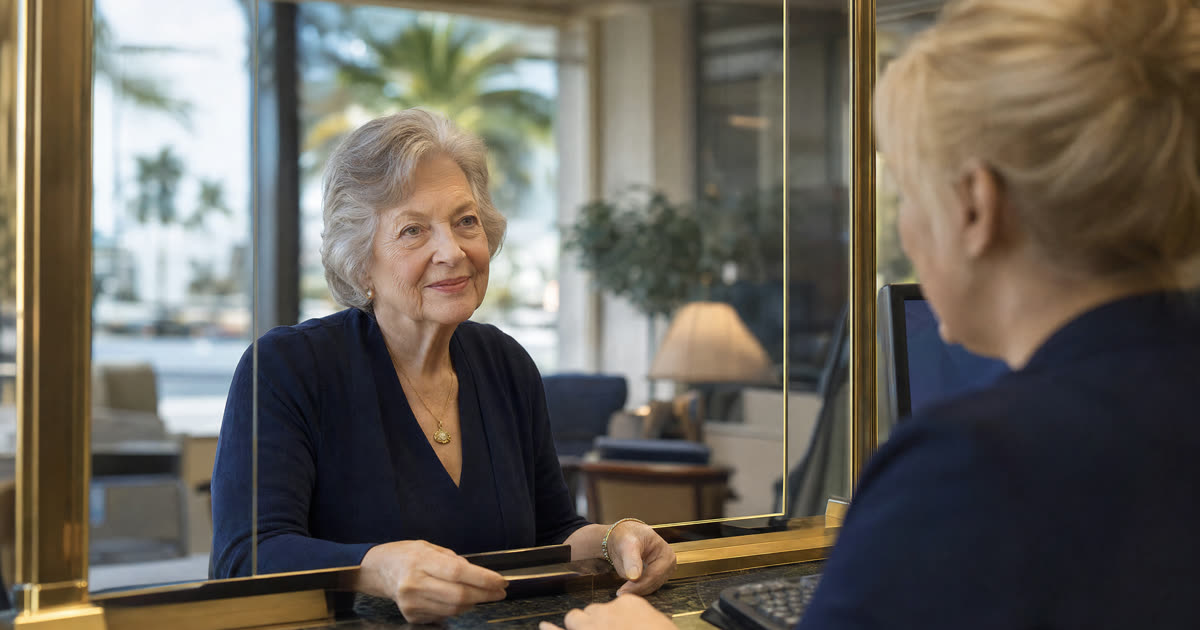
Esther is 90, lives at Century Village in Deerfield Beach, and her brother has handled her finances for years but has never dealt with a government agency on her behalf. Esther is a composite, not an actual Truestead client, but her situation reflects what I see constantly in Broward County. I want to be upfront that this article assumes you already understand the basics of eligibility, the look-back period, and spend-down, which we cover in other pieces in this series. Here the focus is narrower: who does what, and where does a Broward family actually go.
Every Florida nursing home Medicaid case involves two separate decisions made by two separate state entities, and this is true whether the applicant lives in Fort Lauderdale, Hollywood, Pompano Beach, Coral Springs, or Deerfield Beach. The first decision is financial: does the applicant's income and countable assets fall within Medicaid's limits. That determination is made by the Department of Children and Families (DCF) through the statewide ACCESS Florida system, not by any local Broward office. Families file the application online, and DCF schedules a phone interview rather than requiring an in-person visit to a local building. There is no separate "Broward DCF office" that handles nursing home Medicaid differently than any other county; the process is centralized and electronic.
The second decision is medical: does the applicant actually need nursing home level of care. That determination belongs to CARES, the Comprehensive Assessment and Review for Long-Term Care Services program operated by the Florida Department of Elder Affairs. A CARES nurse or assessor conducts a face-to-face evaluation, often while the applicant is already in a hospital or rehab facility, and assigns a level of care. For Esther's brother, understanding that these are two different gates, run by two different agencies, on two different tracks, is the single most useful piece of orientation before the paperwork starts.
Have this exact situation? Talk it through with a Florida attorney — the 20-minute consultation is free.
Book Free Consult or call (888) 388-8445The Aging and Disability Resource Center: Broward's Front Door for Home Care Alternatives
Not every family's situation ends in a nursing home. If Esther's brother had called earlier, before a hospitalization forced the issue, his first stop might have been the Aging and Disability Resource Center (ADRC) of Broward County and its Elder Helpline. The ADRC serves as the one-stop information and referral point for Broward residents age 60 and older, helping families understand what home and community-based waiver programs exist as alternatives to institutional care.
These home and community-based services (HCBS) waivers are available to people who are assessed by CARES at a lower level of care (Level 2 or 3) rather than the full nursing-home-level Level 1. The ADRC can help a family understand whether a waiver is realistic, and it can also explain the waitlist that exists for these waiver slots, since funding is limited and not everyone who qualifies medically gets a slot immediately. For a family like Esther's, where nursing home placement already looks necessary, the ADRC is still worth a call, because the intake staff can point toward local resources, caregiver support programs, and clarify what track the family is actually on.
What Nursing Home Care Costs in Florida, in Plain Terms
I was not able to confirm a specific, current private-pay nursing home rate for Broward County or the greater Fort Lauderdale metro area from reliable, dated sources as of this writing, so I will not print a number I cannot stand behind. What I can tell you, in words, is the general shape of the cost picture that every Broward family encounters.
Private-pay nursing home rates in South Florida run well into the thousands of dollars monthly, and they are consistently higher than what Medicaid actually pays the facility once a resident is approved. This gap is exactly why Medicaid planning matters: a family paying privately at the full daily rate can see savings dwindle quickly, while a Medicaid-approved resident is covered at the facility's negotiated Medicaid rate instead. Rates vary by specific facility, by the level of skilled services provided, and by whether a resident is in a private or semi-private room, so any number quoted by a single facility's business office should be treated as that facility's figure, not a county average.
How Many Facilities Serve Broward County, and What 'Medicaid Pending' Means
Florida maintains a public facility locator through the Agency for Health Care Administration (AHCA) that lists every nursing home in the state along with licensing and quality information. Broward County is served by a substantial number of Medicaid-certified nursing facilities, enough that families in Fort Lauderdale, Hollywood, Pompano Beach, Coral Springs, and Deerfield Beach generally have more than one option within a reasonable distance, though the exact count shifts over time as facilities open, close, or change their certification status. I am not naming specific facilities here, since that list changes and a current search of AHCA's locator at the time a family actually begins planning is more reliable than any number printed in this article.
A Medicaid-certified bed means the facility is approved to accept Medicaid payment for that bed, which is different from simply being a licensed nursing home. Not every bed in every facility is Medicaid-certified, and this is one of the first conversations a family should have with a facility's business office. The second conversation is about Medicaid pending status. Many Broward facilities will admit a resident whose Medicaid application is filed but not yet approved, treating the stay as Medicaid pending while the DCF and CARES determinations work through the system. This arrangement protects the family from paying the full private rate during the waiting period, but the facility will want to see that the application has actually been submitted, not just discussed, before agreeing to pending status.
Three Local Wrinkles Broward Families Should Expect
Every county has its own texture, and Broward has a few patterns worth knowing in advance.
- Seasonal and snowbird residents. Broward's large seasonal population, especially in communities like Century Village, means some families are managing a parent's affairs from out of state for part of the year. Florida Medicaid eligibility depends on Florida residency at the time of application, so a seasonal resident's situation should be reviewed carefully regarding where they are domiciled when a nursing home stay becomes necessary.
- Hospital-to-rehab-to-long-term-care pattern. It is extremely common in Broward for an elderly resident to enter the system through a hospital stay, move to a skilled rehab placement covered temporarily by Medicare, and then transition to long-term custodial care once rehab benefits run out. Families are often caught off guard by how quickly that transition happens, and the Medicaid application ideally should be moving forward during the rehab stay, not after it ends.
- Condo and co-op ownership. Many Broward seniors, including Century Village residents, own a condominium or co-op unit rather than a standalone house. Homestead protections and how a home is counted (or not counted) for Medicaid purposes can work differently depending on ownership structure, so this is a detail worth raising directly with an elder law attorney rather than assuming it works the same as a single-family home.
Esther's Timeline: From First Call to Approval
For a family like Esther's brother, the realistic timeline runs roughly like this. The process often begins with a hospitalization or a decline that makes staying at Century Village unsafe, followed by a rehab placement. During or shortly after rehab, the family should start pulling together financial documentation and file the ACCESS Florida application online. DCF will schedule a phone interview, generally within a matter of weeks, and will request documentation of income, assets, and any transfers made during the look-back period (covered in detail in our lookback explainer). Separately, CARES will conduct its level-of-care assessment, which can happen while the applicant is still in the facility.
Under federal and state timing standards, DCF is expected to issue a decision within 45 days of a completed application, or longer if a disability determination is involved, though the real-world timeline depends heavily on how quickly the family supplies complete documentation. Gaps, missing bank statements, or unclear transfers are the most common causes of delay. This is also the point in the timeline where involving a Florida elder law attorney tends to save the most time and stress, particularly if there is any spend-down calculation, a community spouse involved, or assets that are not perfectly clean paper trails going back five years.
Frequently Asked Questions
The Truestead Takeaway
For a family like Esther's, the practical path runs through two separate state processes rather than one single office: the ACCESS Florida application with DCF for the financial side, and a CARES assessment for the medical side, with the Aging and Disability Resource Center available as a resource if home care alternatives are on the table. The local facility landscape in Broward County offers families real choice, but Medicaid-certified bed availability and Medicaid pending arrangements vary by facility and should be confirmed directly with each business office. Because look-back issues, spend-down calculations, and property ownership details (especially for condo and co-op owners common in Broward's retirement communities) can complicate an otherwise straightforward application, reviewing the specific facts with a Florida elder law attorney before filing is usually the sensible next step, not a last resort.
Sources
- Florida Department of Children and Families, Medicaid / ACCESS Florida, myflfamilies.com/medicaid
- Florida Department of Elder Affairs, CARES (Comprehensive Assessment and Review for Long-Term Care Services) Program
- Aging and Disability Resource Center of Broward County, Elder Helpline and Information and Referral Program
- Florida Agency for Health Care Administration, FloridaHealthFinder Nursing Home Care Locator
Have a child turning 18? Get the free 18 & Protected packet — the legal documents every Florida 18-year-old needs.
Get the Free PacketTalk to a Florida Attorney
Every family’s situation is different. Schedule a consultation with Arthur Simpson, Esq. to review your plan and your options under Florida law.
Schedule a Consultation →This article is for general informational purposes only and does not constitute legal advice, nor does reading it create an attorney-client relationship. Florida estate, elder, probate, and real estate law are fact-specific and change over time. Consult a licensed Florida attorney about your individual circumstances. Arthur Simpson, Esq. is licensed to practice law in the State of Florida. Attorney advertising.
Talk to a Florida Attorney — Free 20-Minute Consultation
Pick a time below. No obligation, no pressure — just answers.