
Meet Eleanor: A Composite, Not a Client
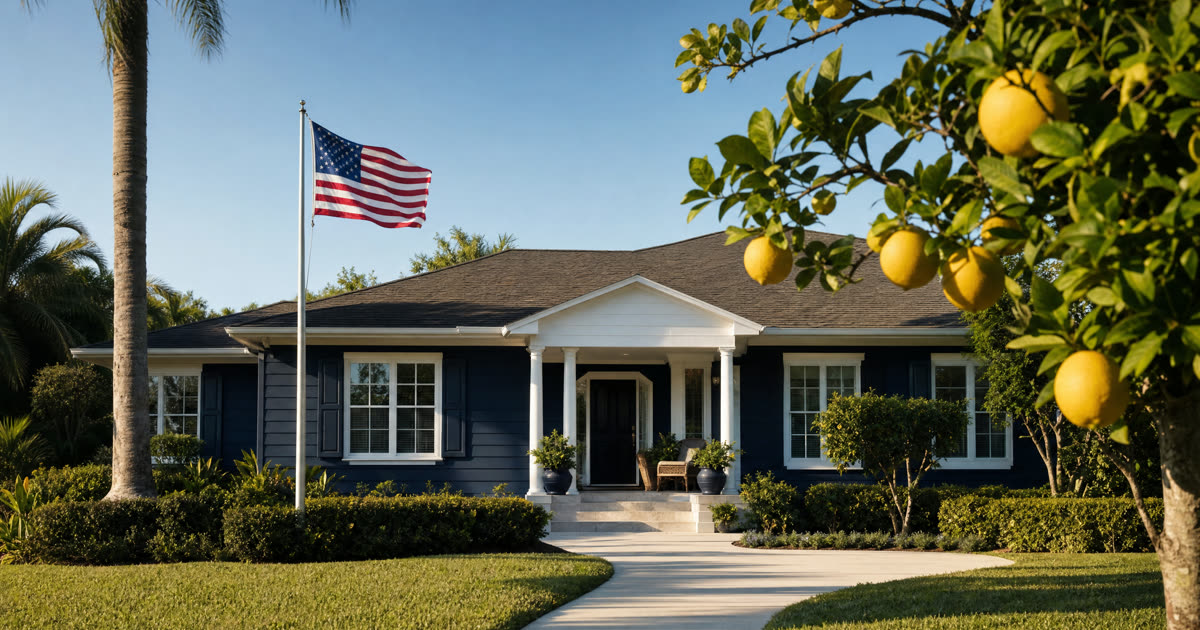
Eleanor is 78, lives in a paid-off condo in Flagler Beach, has never married, and has no children. She has about $240,000 in savings and one relative she trusts completely: her niece, who visits most Sundays and has quietly become the person Eleanor calls first when something goes wrong. Eleanor is a composite I use to illustrate a real and common situation, not an actual client, but her circumstances reflect what I see often in my Florida practice.
When I first meet someone like Eleanor, the question underneath everything is usually some version of: if I don't have a spouse to protect and no kids to leave things to, does any of this planning still matter? The honest answer is yes, and often it matters more, not less, because there is no built-in legal backstop doing the work for her.
Have this exact situation? Talk it through with a Florida attorney — the 20-minute consultation is free.
Book Free Consult or call (888) 388-8445No Spouse Means No Spousal Protections, and That Changes Everything
Florida Medicaid's long-term care rules include real protections for married applicants: a spouse who isn't in the nursing home can typically keep a share of income and a portion of countable assets so they aren't left destitute while their partner receives care. Eleanor doesn't have access to any of that, because those protections exist specifically for a community spouse. There's no one on the other side of the ledger whose lifestyle the law is trying to preserve.
That absence is exactly why single applicants without spousal protections often benefit the most from proactive planning done well before a crisis. Without a spouse's assets to shield some of the estate automatically, the shielding has to be built deliberately, ahead of time, through the right structures.
So Who Is the Planning For? Control, Not Just Assets
For someone like Eleanor, Medicaid planning isn't really about leaving a fortune to heirs. It's about three things she cares about directly:
- Quality and choice of care. Private-pay residents often have more flexibility in which facilities will accept them and when, especially for sought-after communities. Preserving some private-pay ability, even temporarily, keeps more doors open.
- Who speaks for her. If Eleanor becomes unable to make her own medical or financial decisions, someone has to step in. Without planning, that role can fall to a court-appointed guardian rather than the niece she already trusts.
- Where what's left goes. Eleanor doesn't have children, but she has a niece she's close to, and she has causes she cares about. Without a will, a trust, or clear beneficiary designations, Florida's intestate succession laws under Chapter 732 decide who inherits, not Eleanor, and those default rules don't always land where she'd want.
Planning, in other words, is what lets Eleanor's own wishes, rather than default statutes or a facility's bill, decide the outcome.
The Documents Eleanor Needs Most
For a single Floridian with no children, three documents do most of the heavy lifting, and none of them require a spouse or an heir to be effective:
- Durable power of attorney (Florida Statutes Chapter 709). This names someone, often the trusted niece, to manage finances if Eleanor can't. Florida law requires specific durability language for the document to survive incapacity, and certain powers, like making gifts or amending a trust, must be separately signed or initialed by the principal under Florida Statute 709.2202. This is not a document to draft casually.
- Health care surrogate designation (Florida Statutes Chapter 765). This names who makes medical decisions if Eleanor cannot speak for herself, and it works alongside a living will that states her wishes about end-of-life care.
- A properly structured irrevocable trust, sometimes called a Medicaid asset protection trust. Because Eleanor cannot serve as her own trustee for this kind of trust to work as intended, choosing a trustee, and a successor trustee, becomes a real decision. For someone without children, that role often falls to the trusted niece, a close friend, or a professional fiduciary.
The Trust, the Niece, and the Condo: How the Pieces Fit Together
An irrevocable trust of this kind is designed to hold assets, like savings or the condo itself, outside what Medicaid counts as available to Eleanor. Once assets are properly transferred in, they legally belong to the trust rather than to Eleanor, which is what removes them from the eligibility calculation, but only after Florida's five-year lookback window has passed on that particular transfer. Transfers made within that window can trigger a penalty period, calculated using the state's annually updated penalty divisor, so timing the transfer well before a nursing home stay is likely is essential.
For Eleanor, this kind of trust could be built to name her niece as the ultimate beneficiary, a favorite charity, or a combination of both, entirely her choice since there's no forced-heir spouse or child to account for. The condo can often be included in this planning too, since Florida's homestead exemption for Medicaid purposes has equity limits, and a properly timed transfer can address both the home equity question and long-term asset protection at once. Readers who want the full mechanics of the lookback period and home equity rules should see Truestead's dedicated explainers on those topics.
Final Wishes: The Part Often Left Undone
One detail I encourage every single client to address, and one Eleanor herself raised unprompted, is funeral and final-wishes planning. Florida allows an irrevocable funeral trust to be set aside as an exempt asset for Medicaid purposes, separate from the countable asset limit, which means Eleanor can prepay and lock in funeral arrangements without that money counting against her eligibility. For someone without a spouse or children to handle these details by default, writing down (and funding) her wishes in advance spares her niece from having to guess during an already difficult time.
Frequently Asked Questions
The Truestead Takeaway
Eleanor's situation is a composite, but it reflects something I see often: a single Floridian without children assumes planning is mainly for people leaving money to a spouse or kids, and concludes it doesn't apply to her. It applies just as much, maybe more, because there's no built-in legal safety net standing in for the choices she hasn't made yet. The right durable power of attorney, health care surrogate designation, and a carefully timed irrevocable trust let her decide who manages her affairs, who inherits what's left, and how her final wishes are honored, rather than leaving those answers to Florida's default statutes. If you're in a similar position, the sensible next step is a review of your specific assets, your timeline, and your goals with a Florida elder law attorney, well before a health crisis forces the timeline.
Have a child turning 18? Get the free 18 & Protected packet — the legal documents every Florida 18-year-old needs.
Get the Free PacketTalk to a Florida Attorney
Every family’s situation is different. Schedule a consultation with Arthur Simpson, Esq. to review your plan and your options under Florida law.
Schedule a Consultation →This article is for general informational purposes only and does not constitute legal advice, nor does reading it create an attorney-client relationship. Florida estate, elder, probate, and real estate law are fact-specific and change over time. Consult a licensed Florida attorney about your individual circumstances. Arthur Simpson, Esq. is licensed to practice law in the State of Florida. Attorney advertising.
Talk to a Florida Attorney — Free 20-Minute Consultation
Pick a time below. No obligation, no pressure — just answers.