
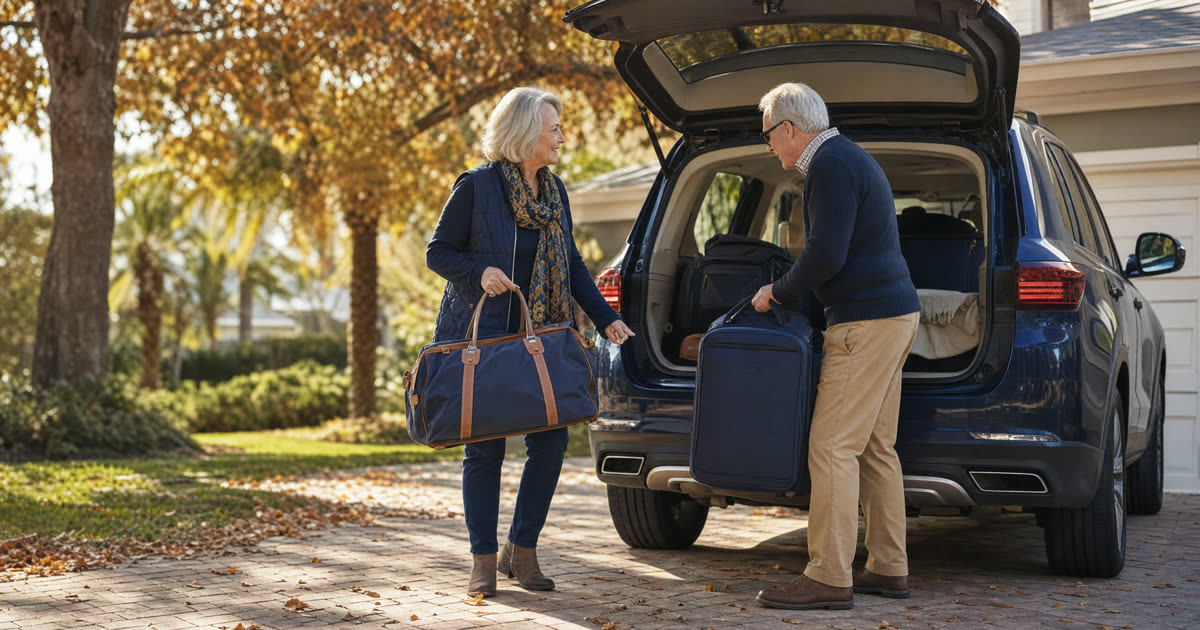
Meet Clyde: Five Acres of Homestead, Thirty-Five Acres of Pasture
Clyde is a composite, not an actual client, but his situation is one I see often near Arcadia and across rural Florida. He is 85, widowed, and still lives on the same forty acres his family has worked for decades. Five acres hold the house, the barn, and the yard. The other thirty-five sit under an agricultural classification with the county property appraiser, and a neighbor leases part of it to run a small cattle operation, paying Clyde a modest monthly check.
When Clyde's family started asking about nursing home care, their first question was simple: does all of that land count against him for Medicaid? The honest answer is that it depends entirely on which parcel you mean, how it is used, and whether anyone has done any planning. Florida law does not treat the forty acres as one lump. It treats the homestead acreage, the leased pasture, and the income it throws off as three separate questions.
Have this exact situation? Talk it through with a Florida attorney — the 20-minute consultation is free.
Book Free Consult or call (888) 388-8445The Homestead and Its Contiguous Acreage
Florida's constitutional homestead protection is broader outside of cities than most people expect. Under Article X, Section 4 of the Florida Constitution, a homestead located outside a municipality can extend to 160 acres of contiguous land, along with the improvements on it, not just a small house lot. Inside a municipality, the protected acreage shrinks to one-half acre. Clyde's property sits outside Arcadia's city limits, so the acreage question is governed by the larger 160-acre rule, not the half-acre rule.
For Medicaid purposes specifically, the homestead itself is generally an exempt asset during the applicant's lifetime, as Truestead has covered in our general eligibility guide, subject to a home equity cap that is adjusted each year. The key word here is contiguous. Land that touches the home parcel, with no state or county road and no third-party-owned body of water cutting through it, can ride along with the house as exempt homestead acreage, up to that 160-acre ceiling. If a public road splits the property, or someone else owns a lake in the middle of it, only the portion where Clyde actually lives counts as protected homestead. For Clyde, his five-acre home parcel and the adjoining acreage used in connection with the home may qualify together, but the full picture depends on the parcel's legal description, not just a mental map of the farm.
Agricultural Classification Is a Tax Label, Not a Medicaid Exemption
This is the point that trips up the most families, and it is worth saying plainly: the agricultural classification Clyde's land carries with the property appraiser, often called greenbelt, has nothing to do with how the Department of Children and Families values that land for Medicaid. Greenbelt, authorized under Florida Statute 193.461, is a property tax valuation tool. It lowers Clyde's property tax bill because the land is used for a bona fide agricultural purpose. It does not appear as a line-item exemption on the tax bill, and it carries no weight whatsoever with DCF's ACCESS caseworkers when they review assets for a Medicaid application.
The Equipment and Livestock: Income-Producing Property and Self-Support
Florida Medicaid policy does carve out real protection for property genuinely used to run an active farm or ranch. Under the state's income-producing property rules, business and farming assets that are used to produce income can be treated as exempt, but only if the arrangement meets specific tests, including that the property produces income consistent with a reasonable rate of return relative to its value. Cattle, a tractor, fencing equipment, and other tools necessary to operate the farm can fall outside the countable asset limit entirely, even when their combined value is substantial, because they are treated as the working tools of a self-supporting enterprise rather than idle wealth.
There is also a separate, narrower exemption of up to a modest amount for assets used specifically to produce food for personal household consumption, which is a different and smaller category than the business-use exemption for an active commercial operation.
For Clyde, this means his handful of cattle and his basic equipment are likely protected as working farm assets, not as savings sitting idle. But the thirty-five acres of pasture itself is a separate question from the cattle standing on it, and that is where the lease comes in.
The Lease: Land That Produces Income Still Counts, and So Does the Check
Because Clyde leases part of the thirty-five acres to his neighbor rather than working it himself, that acreage functions less like an active farm asset and more like rental real estate. Income-producing real property can be exempt under Florida Medicaid policy, but it has to meet the fair-market-return test, and simply collecting a modest lease check on idle pasture does not automatically satisfy that standard the way an active, income-generating business would. In practice, leased farmland that is not Clyde's own active operation is often treated as a countable asset, separate from the exempt homestead acreage.
Then there is the lease payment itself. That monthly check from the neighbor is income, full stop, and it counts toward Florida's strict income cap for nursing home Medicaid, the same cap Truestead has explained in our Qualified Income Trust article. A family in Clyde's position needs to look at both halves of the lease: what the underlying acreage is worth as an asset, and what the monthly payment does to the income test. Ignoring either half is how an otherwise manageable case turns into a surprise denial.
The Plan That Kept Clyde's Land in the Family
For a family like Clyde's, the planning conversation usually comes down to time. If a crisis is already underway (Clyde is in the hospital, a nursing home placement is imminent), the options narrow to things like structuring the lease correctly, documenting the farm's business-asset status for the equipment and cattle, and addressing the leased acreage as a countable asset within a spend-down or penalty-period strategy, the way Truestead's crisis planning guide describes.
But when a family comes in years ahead of need, as Clyde's children did, there is more room to work with. One path some families pursue is placing the non-homestead acreage into an irrevocable trust well before care is needed, so that by the time an application is filed, the transfer sits outside Florida's five-year lookback window entirely rather than triggering a penalty period. An outright gift of the thirty-five acres to the children, by contrast, starts that five-year clock running on the date of the transfer and can create a significant penalty if a Medicaid application follows too soon. The difference between those two approaches, a properly structured trust years in advance versus a late outright transfer, is often the difference between keeping land in the family cleanly and facing a long period of private-pay care first. For Clyde's family, moving the thirty-five leased acres into a trust while keeping the homestead parcel titled in his name directly addressed both the lookback timing and the ongoing lease income question, while leaving his home protected the way Florida's homestead law already protects it.
Frequently Asked Questions
The Truestead Takeaway
Land is never just land to Medicaid: the parcel description, the use, and the paperwork all matter. Clyde's homestead acreage, his working cattle and equipment, and his leased pasture each sit under a different set of rules, and the lease income has to be addressed alongside the land itself. Families holding acreage, a grove, or a working farm should have the specific parcels and income reviewed by a Florida elder law attorney well before a care need becomes urgent, so that the planning tools still on the table (trusts, lease restructuring, documented business-asset status) have time to work.
Have a child turning 18? Get the free 18 & Protected packet — the legal documents every Florida 18-year-old needs.
Get the Free PacketTalk to a Florida Attorney
Every family’s situation is different. Schedule a consultation with Arthur Simpson, Esq. to review your plan and your options under Florida law.
Schedule a Consultation →This article is for general informational purposes only and does not constitute legal advice, nor does reading it create an attorney-client relationship. Florida estate, elder, probate, and real estate law are fact-specific and change over time. Consult a licensed Florida attorney about your individual circumstances. Arthur Simpson, Esq. is licensed to practice law in the State of Florida. Attorney advertising.
Talk to a Florida Attorney — Free 20-Minute Consultation
Pick a time below. No obligation, no pressure — just answers.