
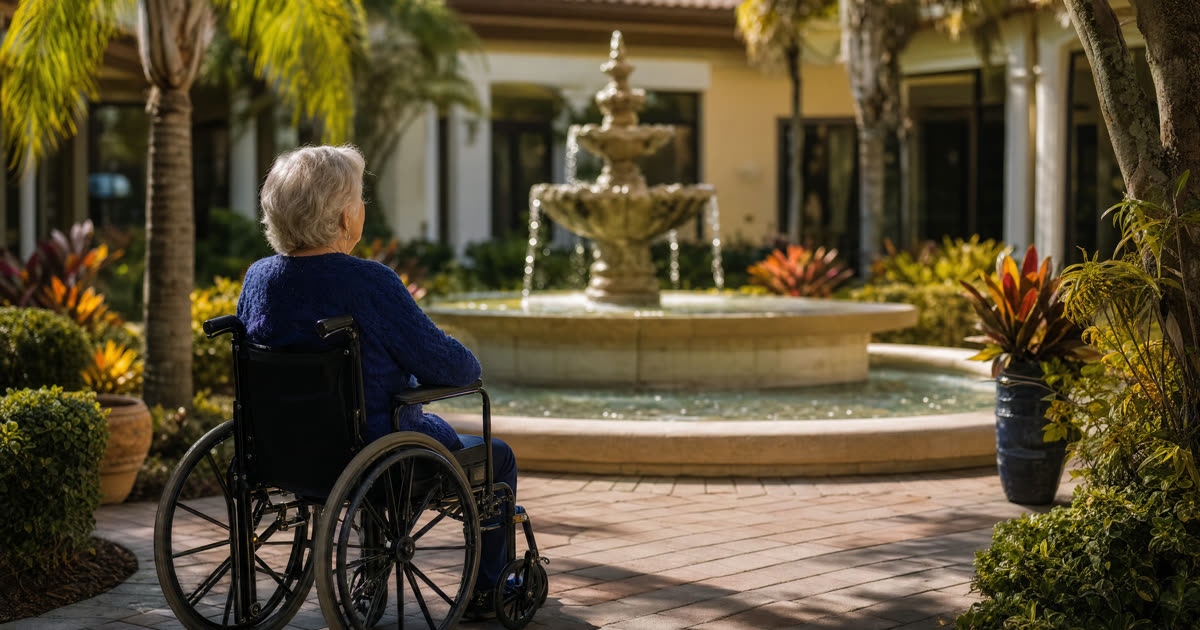
What Irene's 2019 Deed Actually Did
In my practice I meet a lot of families in Irene's position. Irene is a composite I use to illustrate this situation, not an actual client, but her story is a familiar one. Back in 2019, long before anyone was thinking about nursing homes, Irene deeded her Lake City house to her three children and kept what is called a life estate. That means she kept the right to live in the home, use it, and receive any rental income from it for the rest of her life. Her children, as the remaindermen, received the legal right to own the property outright the moment Irene passes away.
Here is the part families often misunderstand. That deed was not a plan for the future. It was a completed transfer the day it was signed and recorded. Irene did not just promise to give her children the house someday. She actually transferred the remainder interest to them in 2019, while keeping only the right to live there. From a Medicaid standpoint, that gift happened years ago, not today.
Have this exact situation? Talk it through with a Florida attorney — the 20-minute consultation is free.
Book Free Consult or call (888) 388-8445Is the 2019 Deed Still Inside the Look-Back Period?
Florida Medicaid's look-back period (covered in detail in our separate look-back explainer) generally examines transfers made within a set number of months before someone applies for long-term care benefits. The question for Irene is simple arithmetic: how long ago was the deed signed compared to when she applies.
Because Irene's deed was recorded in 2019, and she is applying for benefits now, in late 2026, that transfer happened well outside any look-back window Florida Medicaid would examine today. The gift of the remainder interest is old news as far as her eligibility determination is concerned. The Department of Children and Families, through its ACCESS system, reviews financial transactions going back only a fixed number of months from the application date, not someone's entire life history of property decisions.
If Irene had signed that same deed more recently, say within the look-back window, the story would be very different. The value of the remainder interest she gave away would have been treated the same as if she had written her children a check, and it could have created a penalty period during which Medicaid would not pay for her nursing home care.
How Florida Medicaid Values a Life Estate
Even though Irene's transfer is outside the look-back, her life estate interest itself still matters, particularly if the house is ever sold while she is alive. Medicaid does not treat a life estate as worthless. It uses actuarial tables that assign a percentage value to the life estate based on the life tenant's age. Generally speaking, the older the life tenant, the smaller the percentage of the property's value the life estate represents, since actuarially there is less time left to enjoy it.
This matters in two very different scenarios:
- While Irene lives in the home, her life estate interest in an owner-occupied homestead is treated as an exempt asset for Medicaid eligibility purposes, similar to how the home itself is generally exempt.
- If the home is ever sold while Irene is alive, the sale proceeds must be divided between her and her three children, based on the value of her life estate interest versus their remainder interest at her age at the time of sale.
Whatever share of the proceeds Irene receives for her life estate interest becomes a countable asset in her name. That could affect her Medicaid eligibility going forward unless it is properly spent down or protected, which is a separate conversation from the transfer itself.
What Happens If the House Is Sold While Irene Is Still Living There
If Irene's children ever needed or wanted to sell the Lake City house while she was alive, all three of them and Irene would need to sign off on the transaction. The title company or closing attorney would calculate Irene's percentage interest using her age at the time of the sale, and she would receive that share of the proceeds directly. Her children would split the remainder.
For Medicaid purposes, whatever Irene receives from that sale becomes her money, sitting in her name, countable toward her resource limit. If she were already receiving Medicaid benefits or about to apply, that lump sum could create a temporary eligibility problem that would need to be addressed through proper spend-down planning, a topic I cover in a separate article in this series.
The Difference a Lady Bird Deed Would Have Made
Here is where I circle back to Irene, because her situation is a useful teaching example. If, instead of a traditional life estate deed, Irene had signed what Florida practitioners call an enhanced life estate deed, commonly known as a Lady Bird deed, the outcome would look quite different.
A Lady Bird deed also names remaindermen who will receive the property at death, but it reserves something a traditional life estate deed does not: Irene would have kept full control. She could sell the house herself, mortgage it, change her mind entirely, and name different beneficiaries, all without needing her children's permission or signatures. Because she retained that level of control, Florida Medicaid does not treat a Lady Bird deed as a completed gift of the remainder interest at all. There is no transfer to count, no look-back exposure, and no penalty period to worry about, regardless of when the deed was signed.
Irene's 2019 deed is not a crisis. It is simply old enough that the transfer itself is behind her. But for families who have not yet signed anything, or who are revisiting a parent's estate plan today, this is exactly the kind of decision where a Lady Bird deed is often the better tool, precisely because it avoids creating a completed gift in the first place.
Estate Recovery and the Life Estate After Death
One more piece ties Irene's story together. Under Florida law, the Medicaid program's estate recovery efforts are generally limited to assets that pass through a deceased recipient's probate estate. Because Irene's remainder interest passed to her children outside of probate back in 2019 (the deed itself transferred that interest directly, bypassing her will or probate estate entirely), the house is generally not subject to a Medicaid estate recovery claim after she passes away, as long as her life estate interest simply ends at her death rather than being sold beforehand.
This is one of the real benefits families get from either a traditional life estate deed or a Lady Bird deed: when the life tenant dies without having sold the property, the home passes to the remaindermen automatically, outside of probate, which generally keeps it out of reach of Florida's estate recovery program. The Agency for Health Care Administration, which oversees Florida's Medicaid program alongside DCF, directs these recovery efforts, but current Florida law has not extended recovery to most non-probate transfers like this one.
Frequently Asked Questions
The Truestead Takeaway
Irene's deed from 2019 is a good example of why timing matters so much in Medicaid planning. The gift of her home's remainder interest happened years before anyone thought about nursing home care, which means that particular transfer is no longer something Florida Medicaid will penalize. What still matters going forward is how her life estate interest would be valued if the house were ever sold during her lifetime, and making sure her overall eligibility picture is reviewed with current facts in hand. If your family is sitting on an old deed like this one, or thinking about signing one now, the honest next step is the same either way: have a Florida elder law attorney look at the actual document, the actual dates, and your actual goals before assuming you know how it will play out.
Have a child turning 18? Get the free 18 & Protected packet — the legal documents every Florida 18-year-old needs.
Get the Free PacketTalk to a Florida Attorney
Every family’s situation is different. Schedule a consultation with Arthur Simpson, Esq. to review your plan and your options under Florida law.
Schedule a Consultation →This article is for general informational purposes only and does not constitute legal advice, nor does reading it create an attorney-client relationship. Florida estate, elder, probate, and real estate law are fact-specific and change over time. Consult a licensed Florida attorney about your individual circumstances. Arthur Simpson, Esq. is licensed to practice law in the State of Florida. Attorney advertising.
Talk to a Florida Attorney — Free 20-Minute Consultation
Pick a time below. No obligation, no pressure — just answers.