
Ruby's Situation: A Home Nobody Is Going Back To
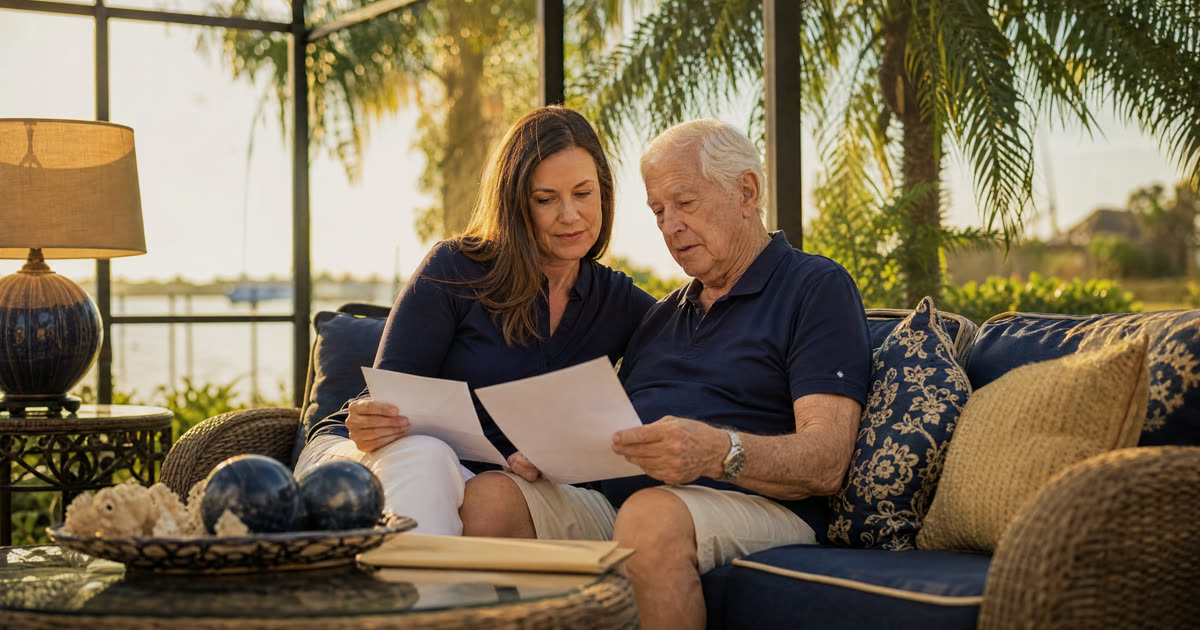
Ruby is 87 and has lived in the same modest Deltona house for decades. She has been in a nursing home on Medicaid for about a year now, and everyone in the family, including Ruby, agrees she is not coming home. Her three children are tired of paying the insurance, the taxes, and the lawn service on an empty house, and they would rather sell it and be done with the upkeep. Ruby's story is a composite drawn from situations I see often in my practice, not an actual client, but it captures the exact question families ask me at this stage: we know the house was protected while Mom lived there or intended to return, so what happens the day we sell it?
The short answer is that the sale itself is allowed. Florida Medicaid does not stop a family from selling a home just because the recipient is institutionalized and the house sits empty. What changes is how the law treats the money that sale produces.
Have this exact situation? Talk it through with a Florida attorney — the 20-minute consultation is free.
Book Free Consult or call (888) 388-8445Step One: Notify the State Before or Right After Listing
Before Ruby's family lists the house, or at the very latest as soon as a sale is pending, they need to notify the Department of Children and Families (DCF), which administers Florida Medicaid eligibility. Medicaid recipients (or the family member handling their case) are required to report changes that affect eligibility, and a pending home sale is exactly that kind of change.
Notifying DCF early does two things. First, it starts the paperwork clock so there are no surprises when the closing proceeds show up and get flagged during a routine redetermination. Second, it gives the family's elder law attorney or planner a runway to have a spend-down or protection strategy ready to execute the moment the check clears, rather than scrambling after the fact.
Step Two: The Home Converts From Exempt to Countable
While Ruby lived in the house, and even now while it sits vacant with an intent to return (or, once that intent is truly gone, for a limited window), the home itself is generally treated as an exempt asset for Medicaid purposes. That is a core rule covered in our general homestead and Medicaid guide, so I will not repeat it in detail here. What matters for this article is the moment of sale.
The day the closing happens, the exempt house disappears and is replaced by cash in a bank account. Cash is a countable asset. Florida Medicaid allows an institutionalized applicant to keep only a very small amount of countable assets, generally $2,000, so a sale that nets even a modest sum will put Ruby well over the limit unless something is done with the proceeds.
Step Three: What the Family Can Do With the Proceeds
This is where planning earns its keep. Once Ruby's house sells, her family has several legitimate paths, and none of them involve giving the money away and hoping for the best (a gift within the five-year lookback creates a penalty period, since selling at fair market value is not a transfer for less than value, but gifting the proceeds afterward would be).
- Spend down on exempt items and Ruby's own care. Funds can go toward prepaying funeral and burial arrangements, paying down debts, buying personal items Ruby needs, or covering costs of care and services Medicaid does not fully pay for.
- Purchase another exempt asset. In some cases, proceeds can go toward another home if there is a qualifying owner, though for a single nursing home resident like Ruby with no community spouse this is less common.
- A Medicaid-compliant annuity. Excess proceeds can sometimes be converted into an irrevocable, actuarially sound annuity that pays Ruby income rather than sitting as a countable lump sum. This has to be structured correctly under Florida and federal Medicaid rules, and it is not a do-it-yourself project.
- A qualified income trust (QIT), if relevant. This tool addresses income limits rather than asset limits, but it can come into play if a later strategy (like renting the property) generates income that pushes Ruby over Medicaid's income cap.
For Ruby's family, the attorney reviewing her case would look at exactly how much the house nets, what Ruby's actual bills and needs are, and how quickly the money needs to move.
An Alternative: The Lady Bird Deed Before Any Sale to a Buyer
Some families in Ruby's position ask whether they should have used a lady bird deed (an enhanced life estate deed) years earlier, before Medicaid was ever on the table. If that step had been taken while Ruby still owned the home outright and before any sale, the house would have passed to her children automatically at her death, outside of probate, which matters because Florida's Medicaid estate recovery program generally reaches only assets that pass through the probate estate. A lady bird deed does not, by itself, let the family sell the home today and shield the proceeds; once Ruby (or her children as remainder owners with her joinder) sells to an actual third-party buyer, the sale still produces countable cash subject to the same spend-down rules described above.
Where a lady bird deed helps a family in Ruby's shoes is if they decide not to sell to an outside buyer at all, and instead keep the property in the family long-term, letting the deed do its job at Ruby's death rather than converting the house to cash now.
The Alternative Nobody Loves: Keeping the House as a Rental
Ruby's children also considered simply renting the house out instead of selling it. Under Florida Medicaid rules, real estate that is rented to someone else, including a family member, is generally not counted as an available asset as long as the rent charged reflects fair market or community rates rather than a token amount. The property can continue producing income for Ruby rather than becoming a lump sum.
The tradeoff is twofold. First, rental income counts toward Medicaid's income test, and if it pushes Ruby's countable income too high, a qualified income trust may become necessary to preserve eligibility. Second, someone has to actually manage the property: collect rent, handle repairs, and deal with tenants. Florida rules allow a reasonable property management deduction, and that manager can be a family member under a written agreement, but it is real, ongoing work, which is exactly what Ruby's children were trying to get away from in the first place.
What Ruby's Family Chose
After discussing the options, Ruby's children decided renting was not realistic. None of them lived near Deltona anymore, and none wanted to become long-distance landlords for a modest house. They chose to sell. Before closing, their attorney helped them line up a plan: a portion of the net proceeds went toward prepaying Ruby's funeral expenses and clearing a few outstanding medical bills, and the remainder was used to fund a properly structured Medicaid-compliant annuity naming the state as a remainder beneficiary as required, so that Ruby's Medicaid eligibility continued without interruption. DCF was notified before closing, and the paperwork was ready the same month the funds arrived.
A Word on Capital Gains
One more practical piece belongs in this conversation, even though it is a tax question rather than a Medicaid question. If Ruby still owned and had lived in the home as her primary residence for the required period before the sale, she may qualify for the federal home sale capital gains exclusion, which can shelter a significant amount of gain on the sale of a personal residence. If her children had already been added to the deed, or if a lady bird deed structure is involved, whether the exclusion applies and to whom can get complicated. This is squarely a question for a CPA or tax attorney alongside the elder law planning, since the Medicaid rules and the IRS rules are not the same conversation.
Frequently Asked Questions
The Truestead Takeaway
Selling a Medicaid recipient's home is allowed, but the sale flips a protected asset into cash that Medicaid counts on day one, and Florida families have a narrow window to do something proper with the money. Ruby's family avoided a lapse in her benefits because they notified the state early, lined up a compliant use for the proceeds before closing, and did not let cash sit in an account past the deadline. If your family is looking at a similar sale, the smart move is a conversation with a Florida elder law attorney before the closing date is set, not after the check arrives.
Sources
- Elder Needs Law, P.A., "Do I Have to Sell My House to Get Medicaid FL?", May 8, 2026
- Elder Needs Law, P.A., "Rental Real Estate Income-Producing Property Medicaid", July 5, 2026
- Shalloway & Shalloway, "Can I Stay On Medicaid If I Sell My Home?", March 28, 2025
- South Florida Law, PLLC, "Medicaid Planning While Owning a Home in Florida", May 27, 2025
- Medicaid Planning Assistance, "Should We Sell the Home to Pay for Long-Term Care?"
- Florida Statutes Section 409.9101, Medicaid Estate Recovery
Have a child turning 18? Get the free 18 & Protected packet — the legal documents every Florida 18-year-old needs.
Get the Free PacketTalk to a Florida Attorney
Every family’s situation is different. Schedule a consultation with Arthur Simpson, Esq. to review your plan and your options under Florida law.
Schedule a Consultation →This article is for general informational purposes only and does not constitute legal advice, nor does reading it create an attorney-client relationship. Florida estate, elder, probate, and real estate law are fact-specific and change over time. Consult a licensed Florida attorney about your individual circumstances. Arthur Simpson, Esq. is licensed to practice law in the State of Florida. Attorney advertising.
Talk to a Florida Attorney — Free 20-Minute Consultation
Pick a time below. No obligation, no pressure — just answers.