
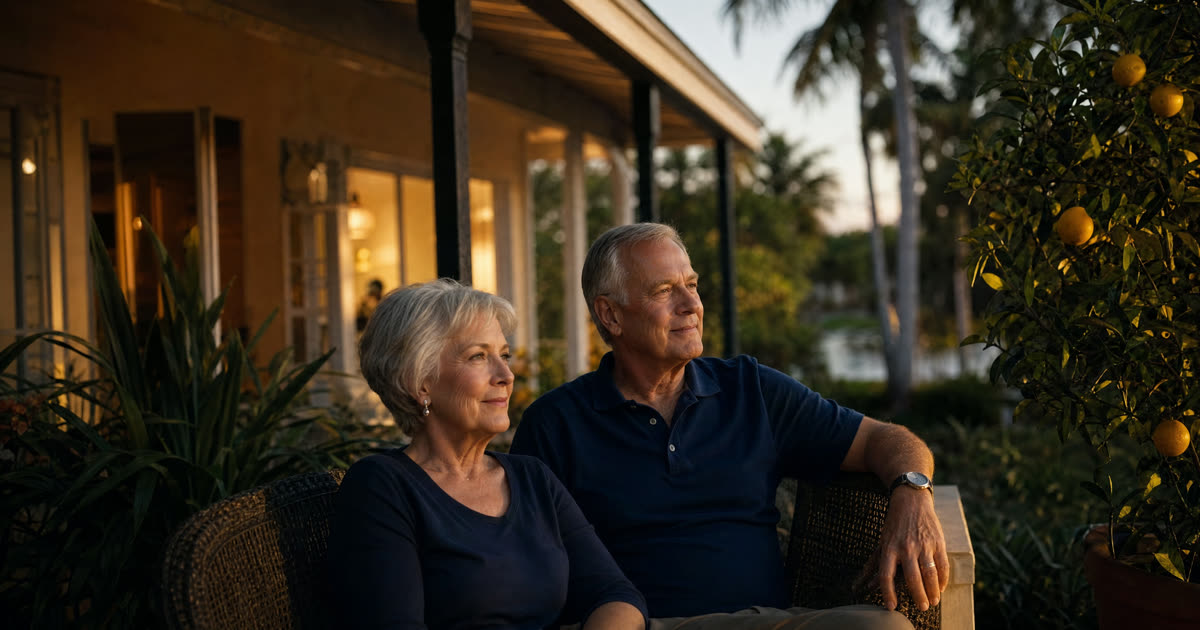
The Caldwells: two good intentions pulling in opposite directions
Hazel Caldwell is a composite I use to talk through a situation I see often, not an actual client, but her story will sound familiar to a lot of Florida families. Hazel is in rehab after a fall, her Medicare-covered days are counting down, and she has about $250,000 in savings. Her son in Jacksonville wants to protect as much of that money as possible for the family. Her daughter in Orlando wants to spend freely on whatever makes her mother comfortable now. Both love their mother. Both are also, understandably, a little bit right.
The problem is not that either sibling is wrong about values. The problem is that while they argue, nothing gets filed, no Qualified Income Trust gets set up if one is needed, and no decision gets made about the $250,000. Every week of stalemate is a week closer to private-pay nursing home bills with no Medicaid coverage behind them.
Have this exact situation? Talk it through with a Florida attorney — the 20-minute consultation is free.
Book Free Consult or call (888) 388-8445The three positions, and what each one actually costs
It helps to say the quiet part out loud: each sibling's instinct has a real cost attached to it.
- Protect everything, do nothing yet. This feels cautious, but delay has its own price tag. Florida nursing home care runs into the thousands of dollars per month, and every month spent paying privately while the family debates is a month of savings gone that proper planning might have preserved.
- Spend freely on Mom now. Generous, but undirected spending can work against Hazel's own interests. Some expenditures are entirely appropriate and even necessary. Others may be disorganized, duplicate what Medicaid would otherwise cover, or complicate the eligibility picture if they are not documented.
- Wait for everyone to agree. This sounds fair but is usually the most expensive path of all, because the Medicaid clock and the facility's private-pay bill do not pause for family consensus.
None of these positions is evil. But Florida law does not actually ask the siblings to agree. It asks one question: who has the legal authority to act for Hazel, and is that person using it properly?
Who actually decides: the agent under the power of attorney
If Hazel signed a durable power of attorney naming one of her children as agent, that sibling has the legal authority to manage her finances and pursue Medicaid planning on her behalf. Florida's power of attorney statute requires the agent to act in the principal's best interest, follow the principal's known wishes, and attempt to preserve her estate plan where one exists. The agent's duty runs to Hazel. It does not run to the siblings, and the law does not require the agent to get the other children's sign-off before acting, though many families choose to keep everyone informed anyway.
If Hazel named both children as co-agents, or if no one has authority at all, the situation gets more complicated and may require a guardianship proceeding, which takes time and money the family may not have to spare. This is one more reason the durable power of attorney, put in place before a crisis, matters so much.
Transparency and an accounting lower the temperature
In my practice, I tell the agent sibling the same thing every time: you do not owe your brother or sister a vote, but you do owe them, and your mother, transparency. An agent who keeps clean records, documents why each major decision was made, and is willing to share a simple accounting of Hazel's funds heads off most accusations before they start. Suspicion grows in silence. It rarely survives a clear ledger.
For the Caldwells, this looked like the daughter in Orlando (named as Hazel's agent) sitting down with her brother and walking through exactly what the Medicaid planning would protect, what it would spend, and why. She did not need his permission. She did want his understanding, because an unhappy sibling who feels shut out is far more likely to end up contesting things later, whether through a formal objection or simply by making the next ten years harder for everyone.
Fairness between siblings belongs in the estate plan, not the Medicaid plan
Here is a distinction that resolves a surprising number of family fights: Medicaid planning is about qualifying Hazel for benefits and protecting what can legally be protected for her care and her family. It is not the tool for making sure each child gets an equal inheritance. If one sibling worries that protecting assets now means the money ends up unevenly distributed later, that concern belongs in Hazel's will or trust, not in a fight over whether to set up a Qualified Income Trust or how quickly to apply.
Equalizing bequests, adjusting beneficiary designations, or building in specific gifts can all happen through estate planning documents once the Medicaid side is settled. Separating those two conversations lets the family move forward on the urgent deadline (Medicare days running out, a penalty period clock that starts ticking from any disqualifying transfer) while still addressing the fairness question on its own timeline.
What delay actually costs, and how the Caldwells got to a plan
Florida nursing home care is genuinely expensive, commonly running well into the thousands of dollars each month for a private room, and private-pay bills do not wait for siblings to finish arguing. Every month spent in deadlock is a month paid out of Hazel's $250,000 that proper planning, pursued promptly, might have protected for her family or redirected toward her own needs.
In the Caldwells' situation, the breakthrough came from naming a neutral third voice, in their case an elder law attorney retained to advise the agent, who could lay out exactly what Florida law required, what the penalty-period math looked like, and what Hazel herself had said she wanted when she was still able to say it clearly. Once both siblings heard the same neutral explanation of the law and the numbers, instead of each other's opinions, a plan came together well inside the first hundred days. The brother in Jacksonville kept his seat at the table through regular updates and an accounting. The daughter in Orlando kept her authority to act. Hazel got a plan built around her needs and her own documented wishes, not around which sibling argued longer.
When that kind of neutral path does not work, Florida families still have options: a professional mediator experienced in elder family disputes, or, where there is no valid power of attorney or the disagreement is severe enough, a guardianship proceeding through the probate court. Both routes take longer and cost more than an agent simply exercising clear, documented authority, which is exactly why most families are better served reaching for the plan first.
Frequently Asked Questions
The Truestead Takeaway
The Caldwells did not resolve their disagreement by one sibling convincing the other. They resolved it by letting Florida law answer the question: the agent named under Hazel's power of attorney had the authority and the duty to act for her, owed transparency rather than a vote, and the fairness concerns that worried her son belonged in her estate plan, not in her Medicaid plan. If your family is circling the same argument while a parent's Medicare days or hospital discharge date approaches, the honest next step is usually not more discussion among siblings but a sit-down with a Florida elder law attorney who can lay out the authority, the math, and the deadline clearly enough that the family can finally agree on what to do next.
Have a child turning 18? Get the free 18 & Protected packet — the legal documents every Florida 18-year-old needs.
Get the Free PacketTalk to a Florida Attorney
Every family’s situation is different. Schedule a consultation with Arthur Simpson, Esq. to review your plan and your options under Florida law.
Schedule a Consultation →This article is for general informational purposes only and does not constitute legal advice, nor does reading it create an attorney-client relationship. Florida estate, elder, probate, and real estate law are fact-specific and change over time. Consult a licensed Florida attorney about your individual circumstances. Arthur Simpson, Esq. is licensed to practice law in the State of Florida. Attorney advertising.
Talk to a Florida Attorney — Free 20-Minute Consultation
Pick a time below. No obligation, no pressure — just answers.