
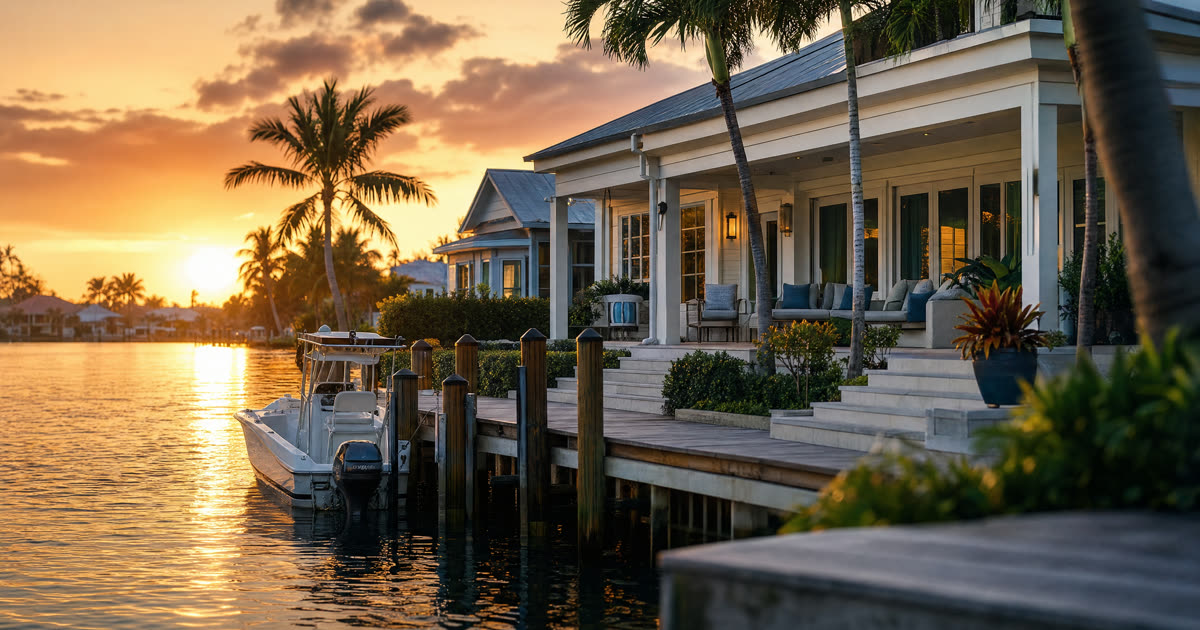
Al's Situation: One Name on the Deed, Two People Living There
Al is 77 and lives in New Smyrna Beach in a house he bought years before he married Joan, his second wife. The deed says his name only. Al assumed that because he alone bought the house and he alone holds title, he alone could sign a lady bird deed sending the property to his children from his first marriage when he passes. (Al is a composite example built from situations I see often in practice, not an actual client.)
A quick refresher for readers new to this series: a lady bird deed lets an owner keep full control of the property during life, including the right to sell it, mortgage it, or change their mind entirely, while naming who receives it automatically at death, without probate. The wrinkle for Al is not how the deed works. It is whether Florida's homestead protections let him sign it alone.
Have this exact situation? Talk it through with a Florida attorney — the 20-minute consultation is free.
Book Free Consult or call (888) 388-8445Why Florida's Constitution Puts Joan's Name on the Deed Too
Florida's homestead protections come from the state constitution, not just statute, and they are unusually strong. Under Article X, Section 4 of the Florida Constitution, an owner of homestead property who is married cannot sell, mortgage, or otherwise convey that homestead without the spouse joining in the deed. This is true even if the spouse's name has never appeared on the title and even if the spouse contributed nothing toward buying the house.
The reasoning goes back to the purpose of the homestead protection itself: to make sure a family has a secure place to live, and that one spouse cannot sign away the roof over the other spouse's head without that spouse's knowledge and consent. Because a lady bird deed is a conveyance of real property, it falls squarely inside this rule. It makes no difference that Al keeps full lifetime control and the deed does not take effect until his death. The joinder requirement applies at signing, not at death.
- The home must actually qualify as the couple's Florida homestead for this rule to apply.
- It applies whether the non-titled spouse is a first spouse, a second spouse, or a spouse of many decades.
- It applies to lady bird deeds, ordinary warranty deeds, quitclaim deeds, and mortgages alike.
What Happens If Al Signs Without Joan
This is the part every homeowner in Al's position needs to hear clearly: a deed to homestead property signed by a married owner without the spouse's joinder is void, not merely questionable. Florida courts treat it as if the conveyance never happened. This is different from many legal defects, which can sometimes be cured or waived later. A missing spousal signature on a homestead deed is not something that fixes itself with time, and it is not automatically cured even if Joan later finds out and says nothing.
Even if Joan is fully supportive of the plan and has no objection, her signature is still required on the deed itself. Her agreement in conversation is not a substitute for her joinder on the recorded document.
If the Deed Fails, What Does Joan Get Instead?
Florida's homestead rules do not leave a surviving spouse unprotected. Even without a valid deed, Florida law gives a surviving spouse specific rights in the homestead when the deceased spouse was married at death. Generally speaking, if the homeowner leaves a will attempting to give the homestead to someone other than the spouse, or if a deed transferring it fails, the surviving spouse is entitled to either a life estate in the home or an undivided one-half interest, with the choice generally belonging to the surviving spouse. This is a separate protection from the elective share and exists specifically because Florida treats the family home differently than other assets.
For Al, this means that if he had gone around Joan and the deed to his children failed, Joan would not simply lose her home. But the outcome would likely be far more complicated, and far less certain, than either Al or his children intended. Instead of a clean, automatic transfer, the family could face a dispute over which interest Joan is entitled to and how that interacts with the children's claim to the property.
How Al and Joan Actually Structured the Deed
In Al's case, once he understood the rule, the fix was straightforward. Because the home was titled in Al's name only, but was homestead property occupied by both Al and Joan, Joan needed to join in signing the lady bird deed. Her signature did not give her ownership of the house during Al's lifetime, and it did not change who was named as the future owner. It simply satisfied the constitutional requirement that a spouse consent to any conveyance of homestead property.
Al and Joan also talked through what they wanted long term. Because this was a second marriage for both of them, they discussed whether Al's children should be the sole remainder beneficiaries, or whether Joan's right to remain in the home during her lifetime should be addressed separately, since a lady bird deed by itself does not automatically preserve a surviving spouse's right to live in the home if she is not a titled owner. Every second-marriage household is different, and this kind of layered planning is exactly the sort of thing that benefits from a real conversation with a Florida attorney rather than a one-size-fits-all form.
Frequently Asked Questions
The Truestead Takeaway
Al's story is a reminder that Florida's homestead protections do not bend for convenience or good intentions. Because Joan lives in the home as Al's spouse, her signature on the lady bird deed was not optional, no matter whose name appeared on the original title. Once she joined in signing, the deed did exactly what Al wanted: it kept his lifetime control intact and set up an automatic, probate-free transfer to his children, without shortchanging Joan's rights along the way. If you own a Florida home, are married, and are considering a lady bird deed, the sensible next step is to have your specific situation, and your spouse's role in it, reviewed by a Florida attorney before anything is signed or recorded.
Have a child turning 18? Get the free 18 & Protected packet — the legal documents every Florida 18-year-old needs.
Get the Free PacketGet Your Florida Lady Bird Deed
Truestead prepares Florida Lady Bird (enhanced life estate) deeds: $199 self-guided from your answers, or $399 attorney-prepared and recorded for you, with the homestead and documentary-stamp guardrails the form sites skip.
Start Your Lady Bird Deed →This article is for general informational purposes only and does not constitute legal advice, nor does reading it create an attorney-client relationship. Florida estate, elder, probate, and real estate law are fact-specific and change over time. Consult a licensed Florida attorney about your individual circumstances. Arthur Simpson, Esq. is licensed to practice law in the State of Florida. Attorney advertising.
Talk to a Florida Attorney — Free 20-Minute Consultation
Pick a time below. No obligation, no pressure — just answers.