
Beatrice's situation is more common than most families realize
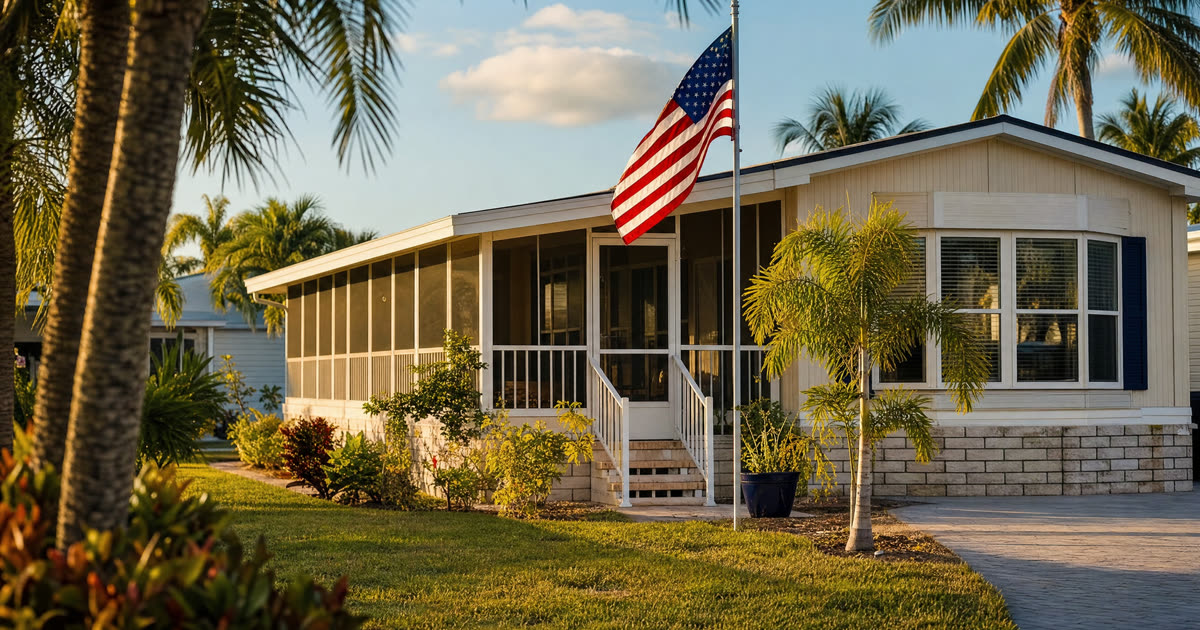
Beatrice is 89 and lives in DeBary. She is a composite of clients I have worked with over the years, not a real person, but her situation will sound familiar to a lot of Florida families. Her daughter Nell moved in three years ago and handles the groceries, the doctor's appointments, the medication schedule, and the 2 a.m. worries. Her two sons live farther away and visit at Thanksgiving and Christmas. They love their mother. They are just not the ones doing the daily work.
A lady bird deed lets Beatrice keep full control of her home for as long as she lives, including the right to sell it or change her mind, and it passes the house to whomever she names when she dies, without probate. The question Beatrice actually wrestled with was not the mechanics of the deed. It was fairness: does Nell get the house alone, and if so, how does everyone stay speaking to each other afterward?
Have this exact situation? Talk it through with a Florida attorney — the 20-minute consultation is free.
Book Free Consult or call (888) 388-8445What the deed can actually do: percentages, not just all-or-nothing
A lot of people assume a lady bird deed is binary, one child gets the house or all the children split it evenly. In practice, the deed can divide the remainder interest however the owner chooses. Common approaches I see in Florida families include:
- House to one child outright. Nell receives 100% of the remainder interest, and the sons receive nothing from the house itself.
- Unequal percentages among all three. For example, Nell receives 50% and each son receives 25%, reflecting the caregiving without cutting the sons out entirely.
- Equal shares with a right to remain. All three children inherit equally, but a separate document gives Nell the right to live in the house for a period of time, or until she chooses to leave, before it is sold and the proceeds split.
- Full value equalized elsewhere. Nell gets the house, and Beatrice directs that other assets, a bank account, an investment account, or a life insurance policy, go to the sons in roughly the same amount.
None of these is more "correct" than the others under Florida law. The deed is a tool that reflects whatever the owner decides. What protects the family afterward is not the percentage split itself, it is whether Beatrice's reasoning was documented and whether the process looked fair, even if the outcome was not perfectly equal.
The conversation families avoid, and why having it helps
I always encourage a parent in Beatrice's position to have the conversation with all the children while she is still capable of having it, ideally in a setting where everyone can ask questions. This is not about getting the sons' permission. Beatrice owns the house and gets to decide. But a documented conversation, even informal notes about who was there and what was discussed, does a lot to prevent hurt feelings from turning into a legal dispute later.
In Beatrice's case, her attorney suggested she put her reasoning in writing separately from the deed itself, a short letter explaining that Nell's daily caregiving, the meals, the transportation, the nights when Beatrice was sick, is what led to the unequal share. That kind of letter is not a legal requirement, but it can be powerful evidence of the parent's own wishes if a dispute ever arises after her death.
The caregiver agreement: protecting Nell and protecting Beatrice
One thing families often overlook is the caregiver agreement, a written contract between the parent and the caregiving child that spells out the duties performed and, if any money changes hands, what it is paid for. This matters for two separate reasons that often get confused.
First, it protects Nell if anyone later questions why she received a larger share of the house. A written agreement describing years of unpaid or underpaid caregiving is concrete evidence that the extra share reflects real value given, not manipulation.
Second, if Beatrice ever needs to apply for Medicaid long-term care benefits, an undocumented arrangement where money passed from Beatrice to Nell can look like a disqualifying gift during Medicaid's five-year lookback period. A properly drafted caregiver agreement, ideally put in place before any payments are made, can address that concern directly. This is a separate legal issue from the lady bird deed itself, and it deserves its own review with an elder law attorney rather than being handled as an afterthought.
One caution: homestead rules still apply, regardless of the percentages
Whatever split Beatrice chooses, Florida's homestead protections come first. If Beatrice were married, her spouse would generally need to join in the deed, since a homestead owned by a married person cannot be conveyed or devised away from a spouse without that spouse's consent. Beatrice is widowed, so this did not apply to her, but it is one of the first things I check with every married homeowner considering a lady bird deed. The deed also still needs two witnesses and a notary, and it must be recorded in the county where the property sits, in Beatrice's case, Volusia County.
What Beatrice decided
After talking it through with her attorney and, separately, with all three of her children, Beatrice chose a middle path. Her lady bird deed gives Nell 50% of the remainder interest in the DeBary house, with the two sons splitting the other 50% equally. Alongside the deed, Beatrice signed a short letter explaining that the unequal split reflected years of caregiving, and she and Nell entered into a simple caregiver agreement describing Nell's duties, partly for clarity and partly to protect against any future Medicaid questions. Beatrice used Truestead's attorney-prepared lady bird deed package, which includes recording, for 399 dollars, and had the caregiver agreement reviewed as a separate matter.
It was not a perfectly equal split, and Beatrice knew that. But it was a considered one, discussed openly, written down, and grounded in something the whole family could see and understand: Nell was there every day, and the deed said so in a way that did not require anyone to guess at her mother's reasons after she was gone.
Frequently Asked Questions
The Truestead Takeaway
There is no legally required way to divide a house among children on a Florida lady bird deed, only the way that fits a particular family and can be explained honestly. Beatrice's choice, an unequal split backed by a written explanation and a caregiver agreement, worked because it was documented and discussed, not because the math came out to a clean fraction. If you or your parent are weighing an unequal share for a caregiving child, that decision deserves a conversation with a Florida attorney who can help put the reasoning on paper and make sure the deed, the homestead rules, and any Medicaid concerns all line up together.
Have a child turning 18? Get the free 18 & Protected packet — the legal documents every Florida 18-year-old needs.
Get the Free PacketGet Your Florida Lady Bird Deed
Truestead prepares Florida Lady Bird (enhanced life estate) deeds: $199 self-guided from your answers, or $399 attorney-prepared and recorded for you, with the homestead and documentary-stamp guardrails the form sites skip.
Start Your Lady Bird Deed →This article is for general informational purposes only and does not constitute legal advice, nor does reading it create an attorney-client relationship. Florida estate, elder, probate, and real estate law are fact-specific and change over time. Consult a licensed Florida attorney about your individual circumstances. Arthur Simpson, Esq. is licensed to practice law in the State of Florida. Attorney advertising.
Talk to a Florida Attorney — Free 20-Minute Consultation
Pick a time below. No obligation, no pressure — just answers.