
Meet Mabel: one deed, several other assets
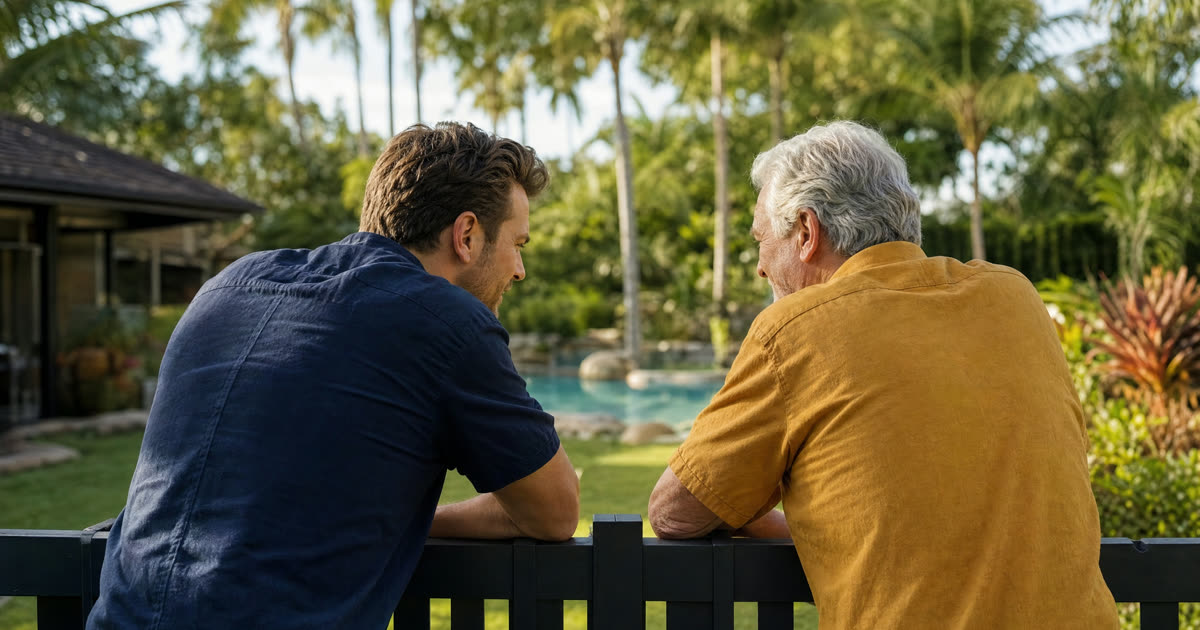
Mabel is a composite I'm using to illustrate a pattern I see often in my Titusville-area practice, not an actual client. She is 87, she owns her home outright, and a few years back she signed a lady bird deed naming her two children as beneficiaries. As regular readers of this series already know, a lady bird deed lets an owner keep full control of the property for life, including the right to sell it or change her mind entirely, while the house passes directly to the named beneficiaries at death without probate.
What Mabel's family didn't fully appreciate is that the deed only covers the house. Mabel also has a car titled in her name alone, a checking account with no beneficiary listed, an old life insurance policy from decades ago, and a will she signed back in 1998. When she passes, her children will need to sort each of those assets separately to know what actually needs court involvement.
Have this exact situation? Talk it through with a Florida attorney — the 20-minute consultation is free.
Book Free Consult or call (888) 388-8445Sorting Mabel's assets: what skips probate and what doesn't
Here is how Mabel's assets break down, and this is the exercise I walk every Florida family through:
- The house. Covered by the lady bird deed. It passes directly to her named children by operation of the deed itself. No probate needed for this asset.
- The checking account. No beneficiary on file. Unless her children add a payable-on-death designation before her death, this account will need to go through some form of estate administration to be collected and distributed.
- The car. Titled in Mabel's name only, with no joint owner and no beneficiary designation on the title. Florida allows a simplified process for transferring a vehicle title after death in many cases, but it still requires paperwork through the estate or through a small-estate procedure. It does not transfer automatically the way the house does.
- The life insurance policy. If Mabel's policy still names a living beneficiary, the proceeds go straight to that person by contract, outside of probate, regardless of what her will says. If the named beneficiary has since died and no contingent beneficiary was named, the payout could default back into her estate, which would require probate to claim it.
- The 1998 will. The will only controls assets that don't already have a beneficiary designation, joint owner, or deed like the lady bird deed directing them elsewhere. For Mabel, that likely means the will governs the checking account and possibly the car, unless those are fixed with beneficiary forms first.
The two forms that would finish the job
In Mabel's case, two simple documents would resolve nearly everything left outside the deed:
- A payable-on-death (POD) designation on the checking account. Florida law allows a bank account owner to name one or more beneficiaries directly with the bank. At death, the beneficiary presents a certified death certificate and identification, and the funds are released without waiting on a court. This is usually a free form the bank keeps on file.
- A beneficiary designation update on the life insurance policy. Insurance proceeds pass by contract to whoever is named as beneficiary, current and reachable, at the time of death. An old policy from 1998 should be checked to confirm the named beneficiary is still living and still who Mabel wants.
The car is a little different. Florida does not offer a beneficiary designation on a vehicle title the way some other states do, so a title transfer after death typically still runs through either a small-estate procedure or the probate process, even for something as modest as a car.
Does Mabel's family still need probate at all?
Possibly, but it may be a short process rather than a long one. Florida offers a simplified alternative to full probate called summary administration, available when the value of the probate estate (not counting the homestead, since that passes under the deed) falls at or under a set dollar threshold, or when the death occurred long enough ago that creditor concerns are reduced. For estates that qualify, summary administration is generally faster and less expensive than a full, formal probate.
There is also a narrower procedure called disposition without administration, meant for very small estates where the only assets are things like modest personal property or reimbursement for funeral expenses, and where there is little or no other property to administer. It offers less protection against creditor claims, so it fits a narrower set of situations.
By moving the house out of the estate with the lady bird deed, Mabel's family may have already positioned her remaining assets, the checking account (if not fixed with a POD form) and the car, to qualify for one of these simplified paths instead of a full probate case. Whether that's actually available depends on the value of what's left and how her other assets are eventually titled.
When a trust closes every gap at once
A lady bird deed is a precise tool. It's built to move one specific parcel of real estate, and it does that job well and inexpensively. But it was never meant to be a complete estate plan on its own, and Mabel's situation shows why.
A revocable living trust, by contrast, can hold the house, the checking account, and other assets all under one roof, with everything passing to beneficiaries under the trust's terms without separate probate for each asset. For someone who wants one document to handle everything rather than a house deed here and a POD form there, a trust is often the more thorough answer. It typically costs more to set up than a single deed, but it can eliminate the asset-by-asset sorting Mabel's family had to do.
Updating the 1998 will
Even with the lady bird deed in place, Mabel's 1998 will still matters. It's the document that would govern the checking account and the car if those are never given their own beneficiary designations. A will that old is worth a fresh look, not because it necessarily has an error, but because family circumstances, named executors, and even Mabel's wishes may have shifted since 1998.
A lady bird deed, a POD form, and a current will can work well together. Each piece handles a different asset, and together they can leave very little for a probate court to sort out. Truestead prepares Florida lady bird deeds starting at a flat self-guided rate, or with full attorney preparation and recording included, and either option can be paired with a review of the rest of an estate plan to make sure nothing was left unaddressed.
Frequently Asked Questions
The Truestead Takeaway
Mabel's lady bird deed did exactly what it was designed to do: it moved her house outside of probate and directly to her children. It didn't touch her checking account, her car, or her old life insurance policy, because a lady bird deed was never built to reach those things. Whether her family ends up filing a short summary administration, a disposition without administration, or nothing at all for those remaining assets depends on a few beneficiary forms and account balances that are worth checking well before they matter. If you have a lady bird deed on your home already, or you're considering one, it's worth sitting down with a Florida attorney to look at everything else you own alongside it, so nothing gets left for a court to sort out later.
Have a child turning 18? Get the free 18 & Protected packet — the legal documents every Florida 18-year-old needs.
Get the Free PacketGet Your Florida Lady Bird Deed
Truestead prepares Florida Lady Bird (enhanced life estate) deeds: $199 self-guided from your answers, or $399 attorney-prepared and recorded for you, with the homestead and documentary-stamp guardrails the form sites skip.
Start Your Lady Bird Deed →This article is for general informational purposes only and does not constitute legal advice, nor does reading it create an attorney-client relationship. Florida estate, elder, probate, and real estate law are fact-specific and change over time. Consult a licensed Florida attorney about your individual circumstances. Arthur Simpson, Esq. is licensed to practice law in the State of Florida. Attorney advertising.
Talk to a Florida Attorney — Free 20-Minute Consultation
Pick a time below. No obligation, no pressure — just answers.